


The Reason This Phrase Connects With Today’s Buyers
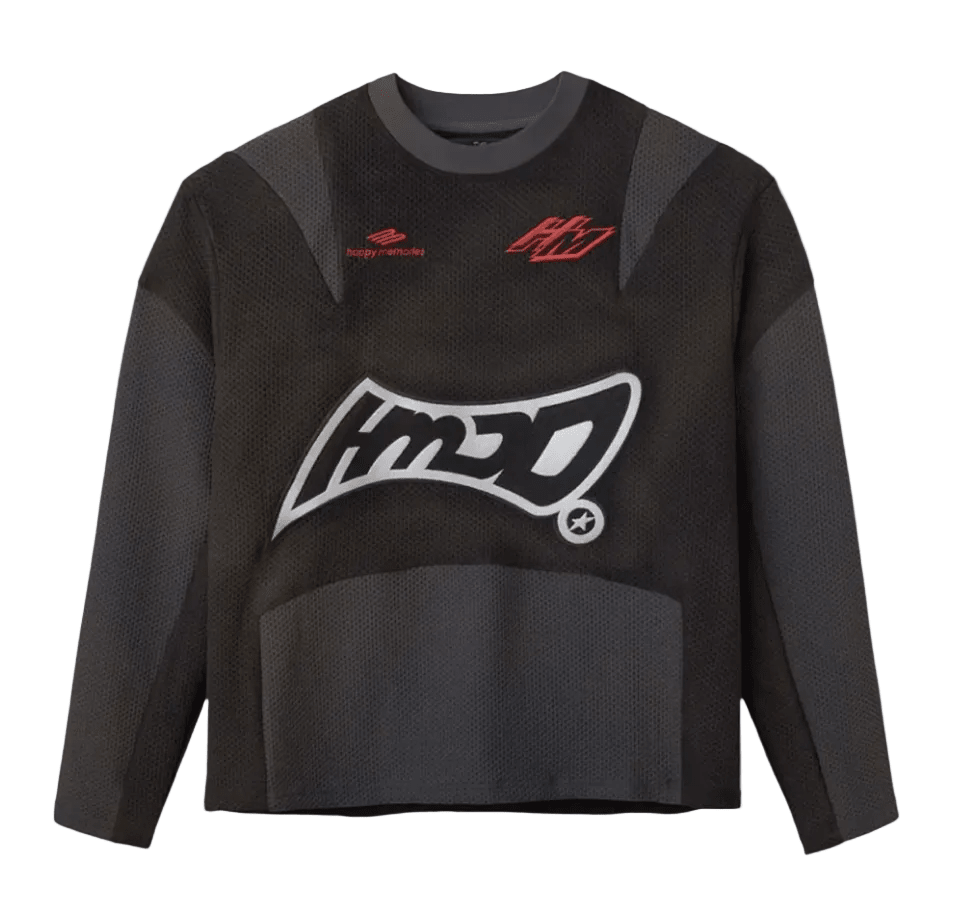
A phrase can carry more weight than a logo ever could, and that’s exactly what has taken shape with HMDD. “Happy Memories Don’t Die” started as a plain line of text and has grown into a wearable philosophy that a younger and more emotionally fluent group of shoppers has made their own. It isn’t just a slogan sewn into sweatpants and shorts; it functions as a small act of resistance against a culture that shifts too quickly. Even as trends vanish within weeks and algorithms sink posts within days, this one phrase continues to resurface — in feeds, in closets, in search bars. That staying power is worth examining, because it says as much about the generation buying HMDD as it does about the brand itself.
People searching for hmdd review or typing happy memories dont die into a search bar aren’t just shopping. They’re attempting to figure out why a piece of clothing has made them feel something. This article examines the emotional mechanics behind the phrase, how HMDD has translated that sentiment into product, and what shoppers should actually expect before they buy.
The Feeling at the Heart of the Line
Nostalgia and grief were once kept private. Social media changed that, turning https://happy-memories-dont-die.com/shorts-sweatpants/ personal memory into shareable content, and an entire generation grew up documenting their own lives in real time. When something ends — a relationship, a friendship, an old version of you — there’s now a public record of it. HMDD plugs straight into that reality. The phrase “happy memories don’t die” doesn’t deny loss; it casts it in a new light. It tells the wearer that the good moments stay meaningful even after the circumstances around them have changed.
This matters more to shoppers born after 2000 than it might have to previous generations. Study after study on Gen Z consumer behavior reveals a preference for brands with real emotional depth or storytelling over brands built purely on aesthetics. A 2024 Morning Consult study found that 62% of Gen Z respondents said they were more likely to buy from brands whose messaging reflected their personal values or emotional state. HMDD sits firmly inside that data point. It isn’t selling escapism; it’s selling permission to hold onto something good.
There’s also a quieter, more practical layer to this. Clothing with a message becomes a conversation starter, a low-stakes way to signal something personal without having to put it into words. A hoodie or a pair of hmdd sweatpants with the phrase visible carries part of the emotional weight for the wearer. That’s a small but real utility, and it explains part of the repeat purchase behavior the brand has seen.
By What Means the HMDD Brand Shaped a Feeling Into a Range of Goods
Lots of brands attempt to sell a mood, chasing that goal in their own way. A smaller number succeed in build a coherent product line around it while avoiding the message feeling tacked on. The approach HMDD takes is to hold the phrase front and center but keep the clothing itself pared-back — restrained tones, simple silhouettes, understated logo use beyond the core text. This is a deliberate choice. That’s part of why the pieces feel sincere rather than promotional — the attention stays on the words, not on logo overload.
Rather than taking off in a sudden burst, the product lineup has built up over time. The first drops focused on graphic tees and hoodies, but the lineup has since broadened into hmdd shorts and sweatpants, both of which have become some of the more searched items under hmdd clothing queries. Because loungewear is worn longer and more often than outerwear, this particular move into loungewear carries weight. Spotting a slogan on a hoodie now and then is a different experience from seeing that same kind of phrase on sweatpants worn constantly at home. Attachment forms through repetition, and it’s this connection that transforms a one-time buyer into a loyal one.
Community engagement has been a factor too. HMDD has developed a footprint through hmddla, its identity rooted in Los Angeles, tying the brand to a defined place rather than leaving it as an abstract internet label. Such a geographic tie gives the brand a rooted identity, which matters to shoppers who are increasingly skeptical of labels lacking any clear origin or narrative.
Honest Shopper Reviews, Straight Up
Any honest hmdd review has to separate the emotional pitch from the physical product, because shoppers ultimately need both to hold up. Feedback across resale platforms and community forums points to a few consistent themes: the sweatpants run true to a relaxed, streetwear-informed fit, the shorts are favored for warmer months and layering, and the phrase placement is generally described as tasteful rather than oversized or gimmicky. Fit consistency across drops has been a recurring point of praise, which matters in a market where sizing often shifts release to release with little warning.
Where grievances exist, it mostly concerns stock over quality. Popular sizes in hmdd sweatpants and shorts sell out quickly because drops are limited, and replenishment timing varies. That unpredictability can be frustrating for a shopper trying to build a full rotation around the brand, even as it deepens the feeling of rarity that sustains strong demand.
Loungewear tends to top the list whenever someone wonders which hmdd clothing is best to begin with, largely due to its regular use. You might wear a graphic tee roughly five times monthly; sweatpants that fit properly might see fifteen wears in that same span. This gap in usage helps explain the loungewear category has outpaced competing categories in search interest as 2026 approaches.
In What Way HMDD Measures Up Alongside Similar Message-Driven Streetwear Brands
Other brands centered on a core phrase or emotional identity rather than pure aesthetics offer a valuable point of comparison for placing where HMDD sits in the wider market.
| Factor | HMDD | Typical Message-Driven Streetwear Brand |
|---|---|---|
| Core identity | One consistent phrase used throughout every product line | Per season, multiple slogans often rotate |
| Focus of the product line | Graphic tops combined with loungewear-heavy pieces (sweatpants, shorts) | Tees and hoodies usually lead the lineup |
| Regional identity | Rooted in LA (hmddla) | Frequently location-agnostic |
| Model for releases | Limited drops with intermittent restocks | Similar limited-drop model, but restock frequency varies widely |
| Customer sentiment focus | Consistent fit and sincere messaging | Frequently focused on resale value and hype |
This comparison stops short of claiming that HMDD is the objectively “better” pick; instead it points to a distinct set of values. Many brands built around a message will rotate their slogans just to keep the collection feeling current, HMDD has stayed loyal to one phrase, working from the assumption that meaningful depth outweighs sheer variety. This approach seems to be validated, as shown by the phrase’s ongoing, consistent presence in search behavior long after it first came out.
Why This Resonance Will Likely Continue Into 2026
Cultural fatigue with sarcasm-laden, here-today-gone-tomorrow fashion branding language has been mounting for a number of years, and 2026 shopping behavior is a clear sign of that pivot. Buyers are turning toward brands that offer an honest message, even if that sincerity is understated. “Happy memories don’t die” works precisely because it never overreaches. It doesn’t rely on a cleverness that fades badly; its feeling doesn’t wear thin, which is a scarce trait in an industry structured around planned obsolescence.
There’s also a pragmatic business dimension. As remote and hybrid work patterns continue to keep ease-driven style relevant, loungewear categories, like sweatpants and shorts, have exhibited consistent year-over-year growth industry-wide. HMDD’s move to double down on these categories positions the brand favorably toward continued relevance rather than dependence on seasonal outerwear cycles.
Additional confirmation via search data too. Consumer interest in keywords like hmdd clothing and hmdd sweatpants has exhibited steady month-over-month search activity instead of abrupt surges trailing into falloffs, which is generally evidence of lasting as opposed to fad-based demand. That pattern suggests the brand isn’t riding an isolated viral spike; the brand is building a returning customer following.
For shoppers weighing whether to commit to the brand, the real-world advice is easy to summarize. Start with the loungewear if wear frequency matters most, expect limited restock windows, and consider the phrase to be the true product — the fabric functions only as the means of delivery. Not many labels succeed in making make a sentence feel like a garment, but HMDD has done exactly that, and a generation raised on fleeting content seems genuinely relieved to wear something that says the good parts of the past are still allowed to matter.